Generative Algorithms for Sound and Music (2025-2026)
UPF Music Technology Group | MSc Sound and Music Computing
The first part of the Generative Algorithms for Sound and Music course focuses on the design, implementation, and critical evaluation of symbolic music generation systems, with particular attention to real-world workflows and constraints.
Learning Objectives
Part One
- Work with different types of symbolic music data
- Design and implement end-to-end generative music systems, from data preprocessing to deployment
- Apply genetic algorithms and transformer-based architectures to symbolic music generation
- Evaluate generative music systems using subjective, objective, and market-driven metrics
- Identify and address real-world challenges in generative music development
- Use the Hugging Face Transformers library to run and fine-tune pre-trained symbolic models
Part Two
-
Develop an understanding of the deep learning techniques used for generative audio.
-
Develop/deepen your ability to read and understand research papers in the field.
-
Understand not just how to use, but how to build or change networks to achieve your goals.
-
Explore representations and algorithms for general audio and “subsymbolic” music
Pre-requisites
- Intermediate proficiency in Python programming
- Basic understanding of linear algebra (matrices, vectors, and matrix operations) will be helpful for classes focusing on deep learning concepts
- Basic knowledge of TensorFlow/Keras
- Before some of the classes, students should watch the assigned video lectures from The Sound of AI Generative Music AI course, covering both theory and implementation. The specific videos for each lecture are listed in the Lectures page.
Teaching Approach
The course will cover both the theoretical and implementation aspects of symbolic generative music systems.
The main teaching principles of the course are:
- learning by doing,
- fostering proactivity and independent learning.
Students are expected to study the theory and basic implementation of the techniques independently by watching The Sound of AI’s Generative Music AI Course and its corresponding implementations.
Theory classes will focus on advanced aspects of the techniques, building on the video lectures. These sessions will emphasize real-world applications. The classes will be interactive, with activities designed to encourage problem-solving and critical thinking.
Practical classes will center on code implementation of the assignments / final project. Students’ will present their solutions, discuss with the class, and get feedback from the professors.
Instructors

Teaching Assistants

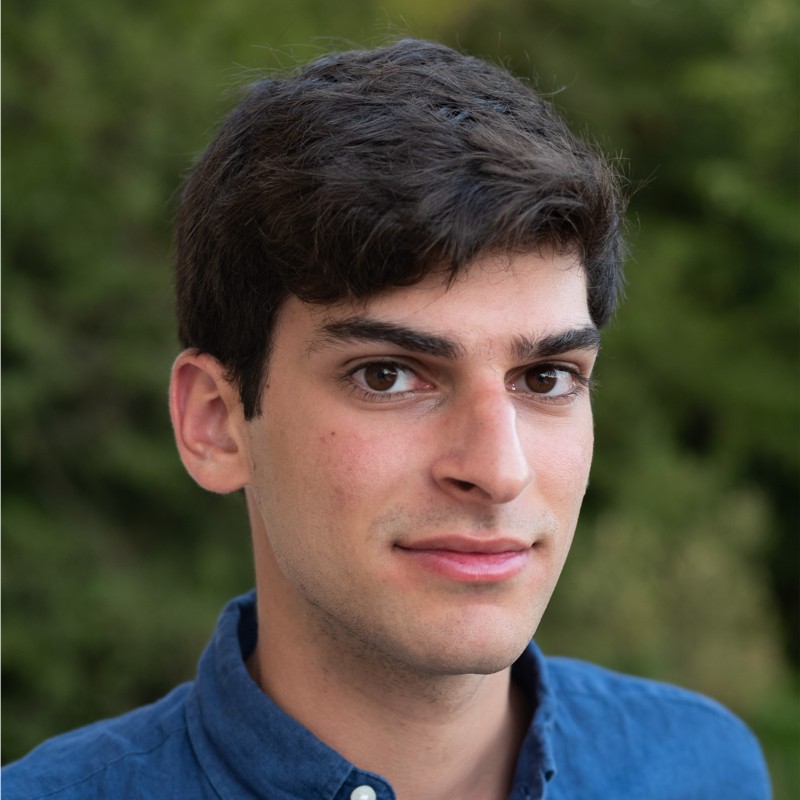
Andreas Papaeracleous
andreas.papaeracleous01@estudiant.upf.edu
Check Logistics Tab
Masters Room, MTG